App rates how loud and bright a place will be before you arrive
Lena Alabbasi was diagnosed with autism at 27. Her company, Daivurjnt, is building SpectrumScan to tell people what a shop, restaurant or airport will feel like before they walk in.
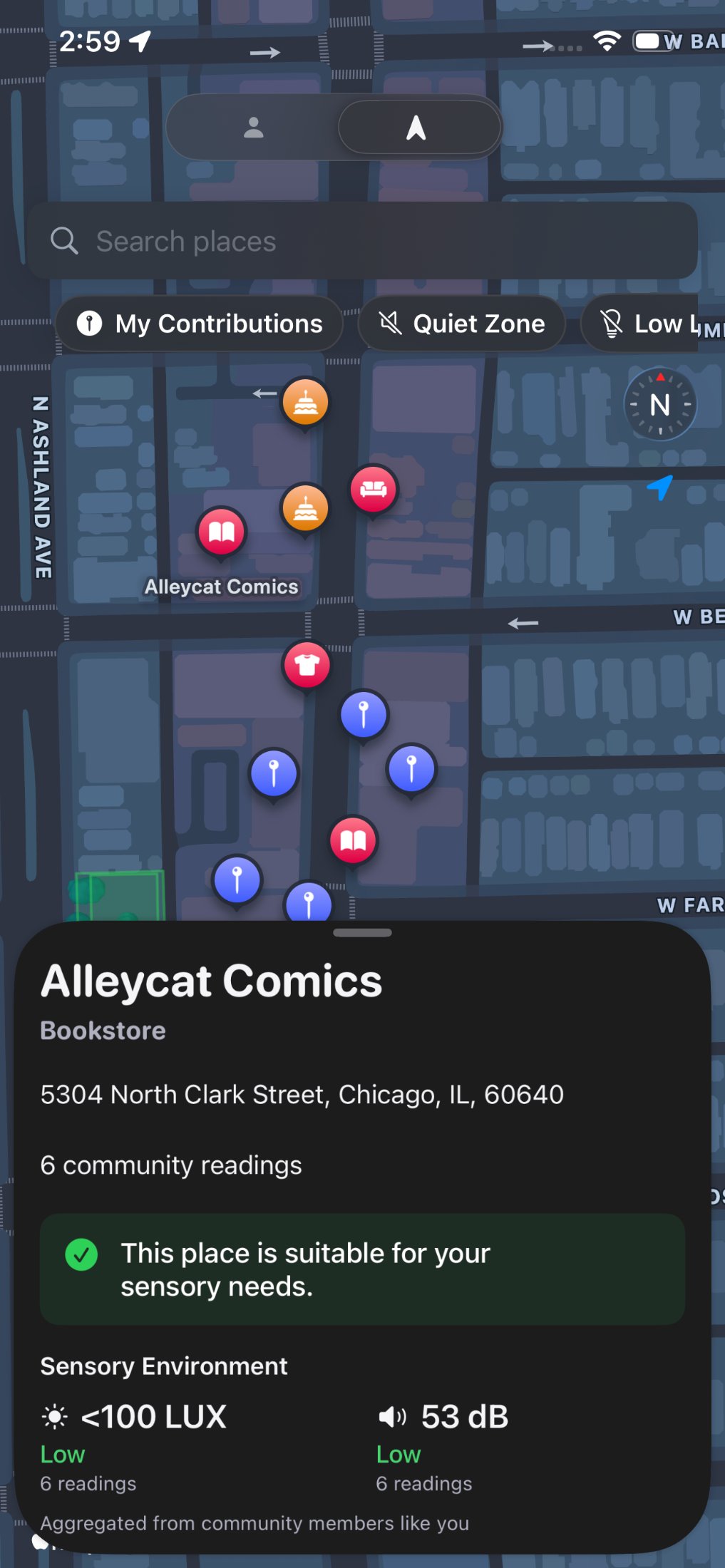
Maps tell you where a place is. Reviews tell you whether strangers liked it. Neither tells you how loud the music will be.
SpectrumScan is an attempt to answer that question. The app is designed to describe how sensory-intense a location is likely to be — noise, lighting, backlit signage, crowds, announcements — so that someone can decide whether to go at all.
Continue reading № 341 →The Saturday Edition
One email, Saturday morning. A round-up of the week, perfect to go with your cup of coffee.
RoamCircle opens in 13 cities in its first year
Elizabeth Rivas built a network for women travelling alone after a divorce took her through 13 countries. The events that worked best were the ones she turned up to, which is now the company's problem to solve.
TakeTheKids goes from five city feeds to 51 in 42 states
A father who got tired of checking library, park and museum calendars one by one now runs a free family-event feed for 51 American cities. The expansion landed this month.
Bristol's Siloton wins £8.4m Innovate UK contract for eye scanner
The medtech company will use the money to speed up development of a handheld retinal imaging device. The award is a contract from Innovate UK, not equity.
One 2021 TikTok now a brand growing 57% a year
Mia Lind posted a video about "hot girl walks" four years ago. Inc. reports the idea now runs as a business with a 57 per cent annualised growth rate and brand work with Nutella and Spotify.
Denver café keeps drip at $3.50 while launching tenth city menu
Hot Shot Coffee opens its Hokkaido menu on 18 October, inside a York Street dry cleaner that stood empty for 14 years.
Wiremind takes €35m after 12 years without outside capital
The Paris software firm turned down the venture route from 2014 until this month. Its founders keep majority control and say the reason to raise now is how fast transport operators are buying AI.
Five questions a former processing executive says to ask before signing
US merchants paid $198.25bn to accept cards last year. The networks' headline rates barely moved. Robert L. Day, who spent a decade selling processing, says the gap is markup you can negotiate.
Earned media now feeds the machines as well as the buyers
Coverage you did not pay for builds trust with customers and puts your name where AI tools go looking. A US business title argues the two now come as a pair.
Vercel's inbound agent now runs on 14 rules, not 1,000 lines
Vercel's COO has described how one engineer at 20% time, a prompt written by the best SDR and six weeks of human checking produced an agent that handles the top of the funnel. The lesson is what came after: most of the prompt turned out to be code.