Jason Fried built Basecamp in Chicago on no venture capital
The 37signals co-founder turned investors down repeatedly, stayed profitable, and wrote two books telling other founders they could do the same. Twenty-five years on, the industry is arguing his case for him.
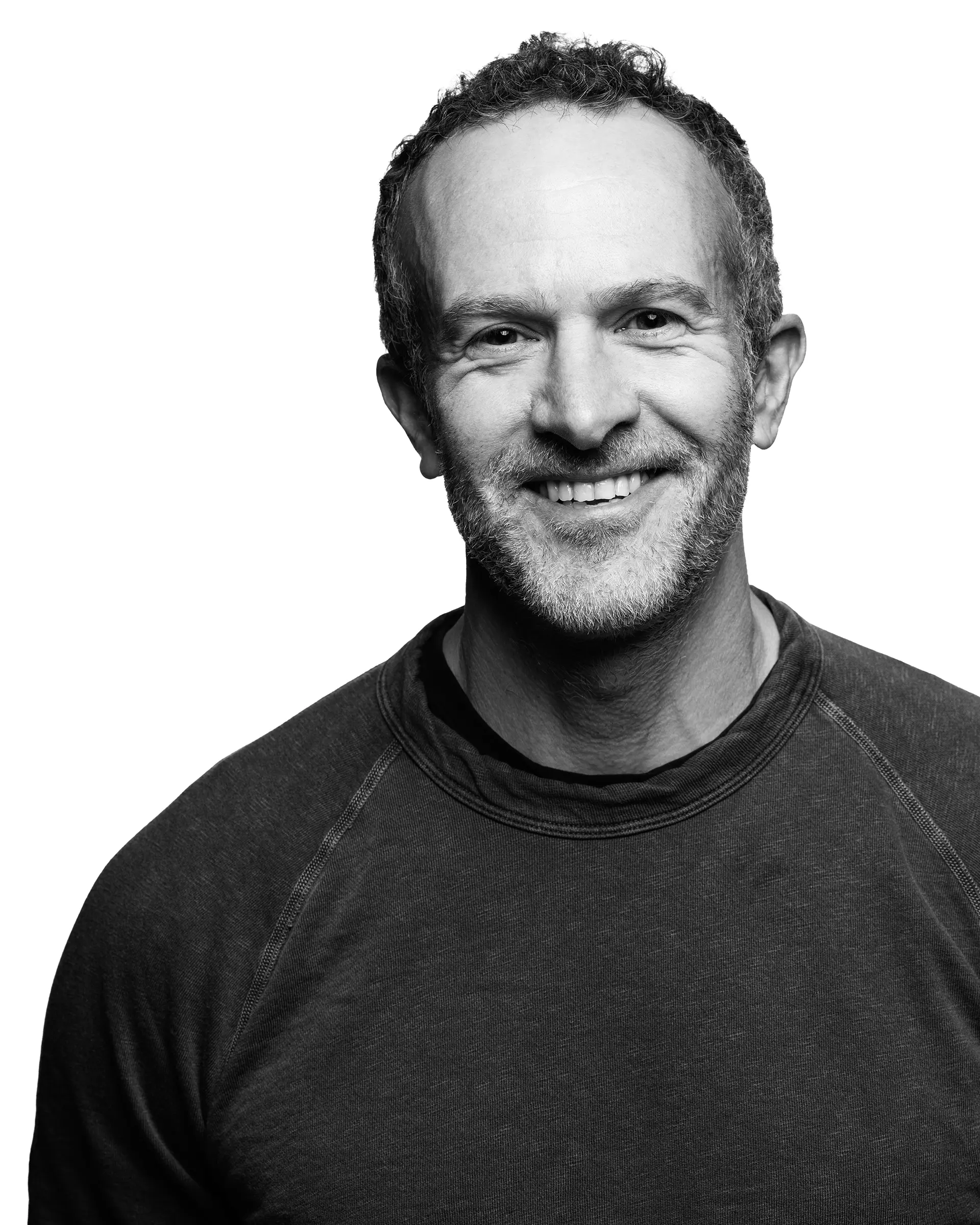
In 1999, Jason Fried was running a small web design agency called 37signals. The agency had the problem every agency has: projects ended, revenue rose and fell, and every month started at zero.
So the team built a tool to manage client work. It was software they wanted for themselves, not a product plan.
That side project became Basecamp, and it ended up worth more than the agency that produced it.
The timing was awkward. Money was flooding into software, founders were raising millions on very little, and growth was the only scoreboard anyone read.
Investors called. Fried said no, and kept saying no.
His reason, as the editor's brief records it, was that money arrives with opinions attached. An outside owner gets a say in hiring, the roadmap, the timeline and eventually the definition of success.
Without funding, the constraint did the managing. Every hire and every feature had to be paid for out of revenue customers had already handed over, and there was no next round to cover a mistake.
Fried's co-founder in the account is David Heinemeier Hansson, who is credited alongside him at 37signals.
The company later published Rework, which argued against business plans, against meetings, and against the assumption that growth is always good. It was not a conventional business book and it was not received quietly.
The working practices went the same way. Staff worked remotely before that was normal, managed their own hours, and worked shorter weeks in summer. The second book, It Doesn't Have to Be Crazy at Work, made the argument in public at a point when eighty-hour weeks were being advertised as commitment.
None of it happened in San Francisco. Basecamp was built in Chicago, without venture capital, and without hypergrowth.
The relevance now is that the fashion has moved. Profitability is back in favour, small teams are shipping products that once needed large ones, and scepticism about growth at all costs is mainstream rather than eccentric.
For a founder, the practical point is narrower than the inspiration. Fried's route only worked because the business charged customers money early and kept its costs inside that revenue. The independence was the result of the profit, not a substitute for it.
If you are weighing a round, the useful question is the one his record poses: which decisions are you willing to share, and what would you have to build first to avoid sharing them at all.