Pippa Murray swapped a London flat for a shed and won £120,000
She entered a competition whose prize was rent-free accommodation in a garden shed. Eleven years on, Pip & Nut says 1.6 million British households buy its peanut butter every year.
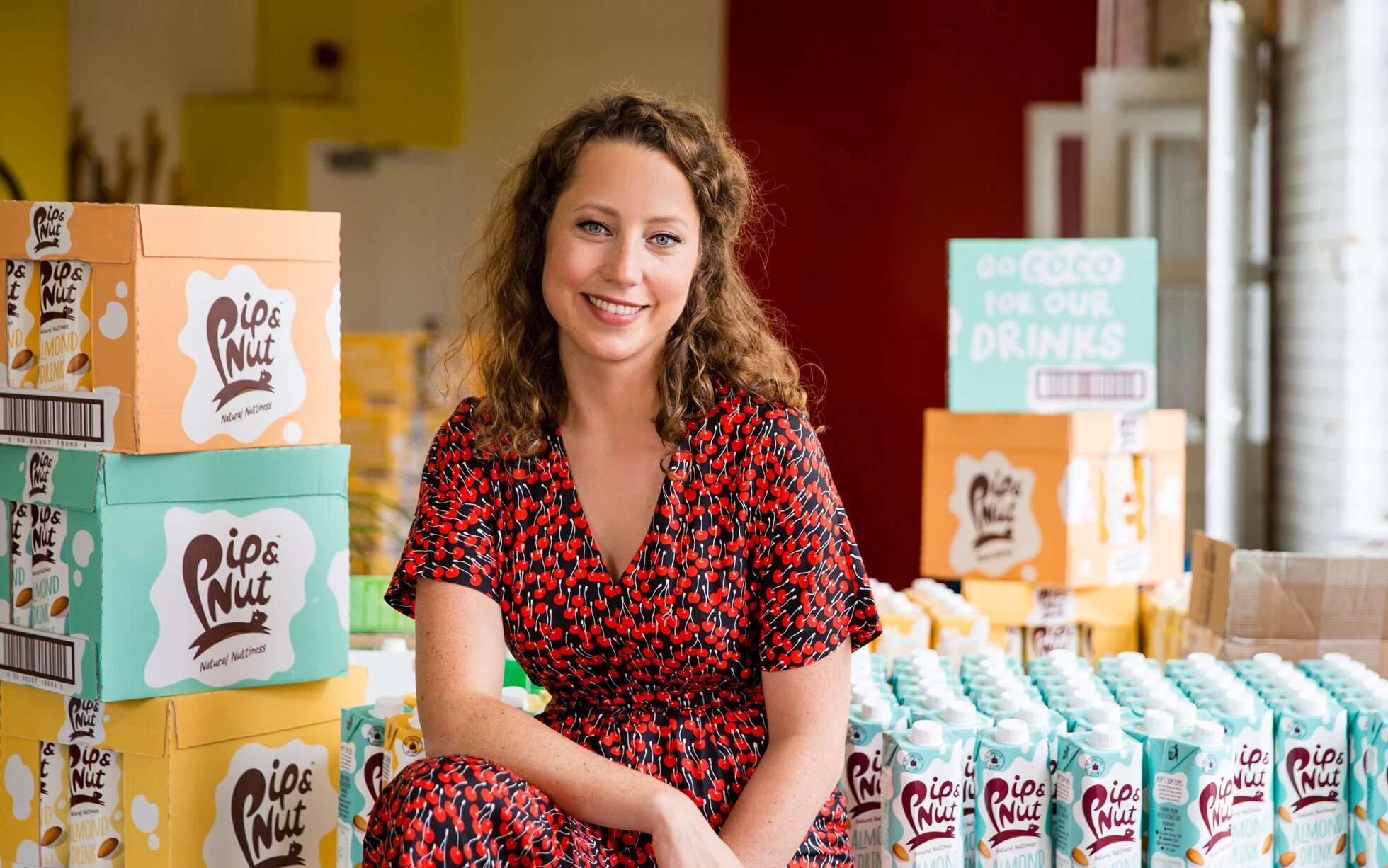
In May 2014 Pippa Murray moved out of her North London flat, resigned from her job and moved into a garden shed.
The shed was roughly six metres by two, with four wooden walls, a window and space for a bed. She could use the facilities in the adjoining house. She lived there for three months.
The reason was peanut butter. Murray had been training for a marathon in 2013 and eating a lot of it, and she disliked what the supermarkets sold: palm oil and added sugar in the mainstream jars, and healthier alternatives she found dull.
So she bought a blender and made her own from nuts and a little sea salt.
She kept her job and made peanut butter at weekends, scaling up to around 100 jars at a time and selling them at Maltby Street Market in Bermondsey. There was no research agency. Strangers either paid or they did not.
On a good day she eventually sold around 200 jars. That was the market testing.
Then came the familiar trap. The business needed her time, the job paid her rent, and she could not afford both.
Escape the City solved it in an unusual way. Its Escape to the Shed competition offered one entrepreneur three months of rent-free living in a shed while they worked on their company. Around 3,000 people entered. Murray won, handed in her notice and moved in.
The three months bought her time rather than money. She worked on manufacturing, packaging, branding, suppliers and finance, and prepared to raise enough to produce the product properly.
She needed roughly £100,000. Angel investors would have meant assembling several smaller cheques on different terms, so she went to Crowdcube instead. The target was hit in eight or nine days and the campaign closed at £120,000 from around 80 investors. At one point the total jumped from about £38,000 to £120,000 in 24 hours.
A Selfridges buyer came across the brand at an event and approached her. Pip & Nut launched there in January 2015 with smooth peanut butter, smooth almond butter and coconut almond butter.
Almond butter was niche, which meant the large manufacturers were not fighting for the shelf. Murray has described getting on a shelf first and expanding afterwards as the point.
A Sainsbury's listing followed later in 2015, which she has called the pivotal moment. By 2016 revenue had passed £3m, with the business reporting around 400% year-on-year growth. Murray says Pip & Nut is now the UK's number-one nut butter brand, and that 61% of British peanut butter buyers now choose one without palm oil.
The transferable part is not the shed. Murray could not raise her income, so she removed a cost instead, and the three months that bought her produced the raise that paid for the first production run.
A founder weighing the same trap might note that the sequence was cheap, slow and evidential: make it, sell 100 jars to strangers, count what sells, then spend other people's money.
More: Pip & Nut