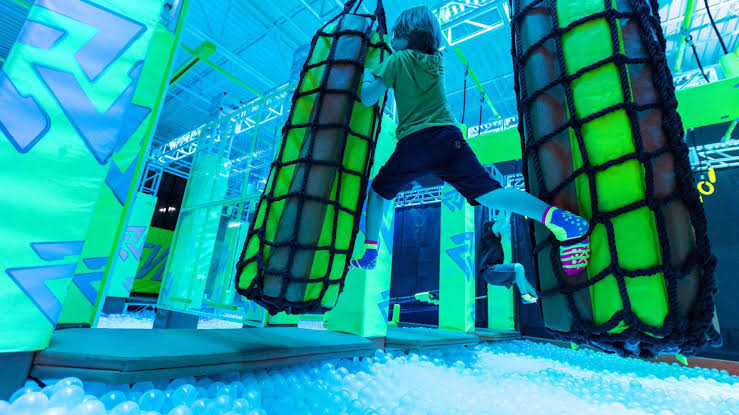
Rejected by every bank at 26, he built the trampoline park himself
Michael Browning Jr. laid the wood and unloaded the foam cubes for the first Urban Air park with his father in 2011. The franchise platform he built on top of it reports it passed $1bn in sales last year.
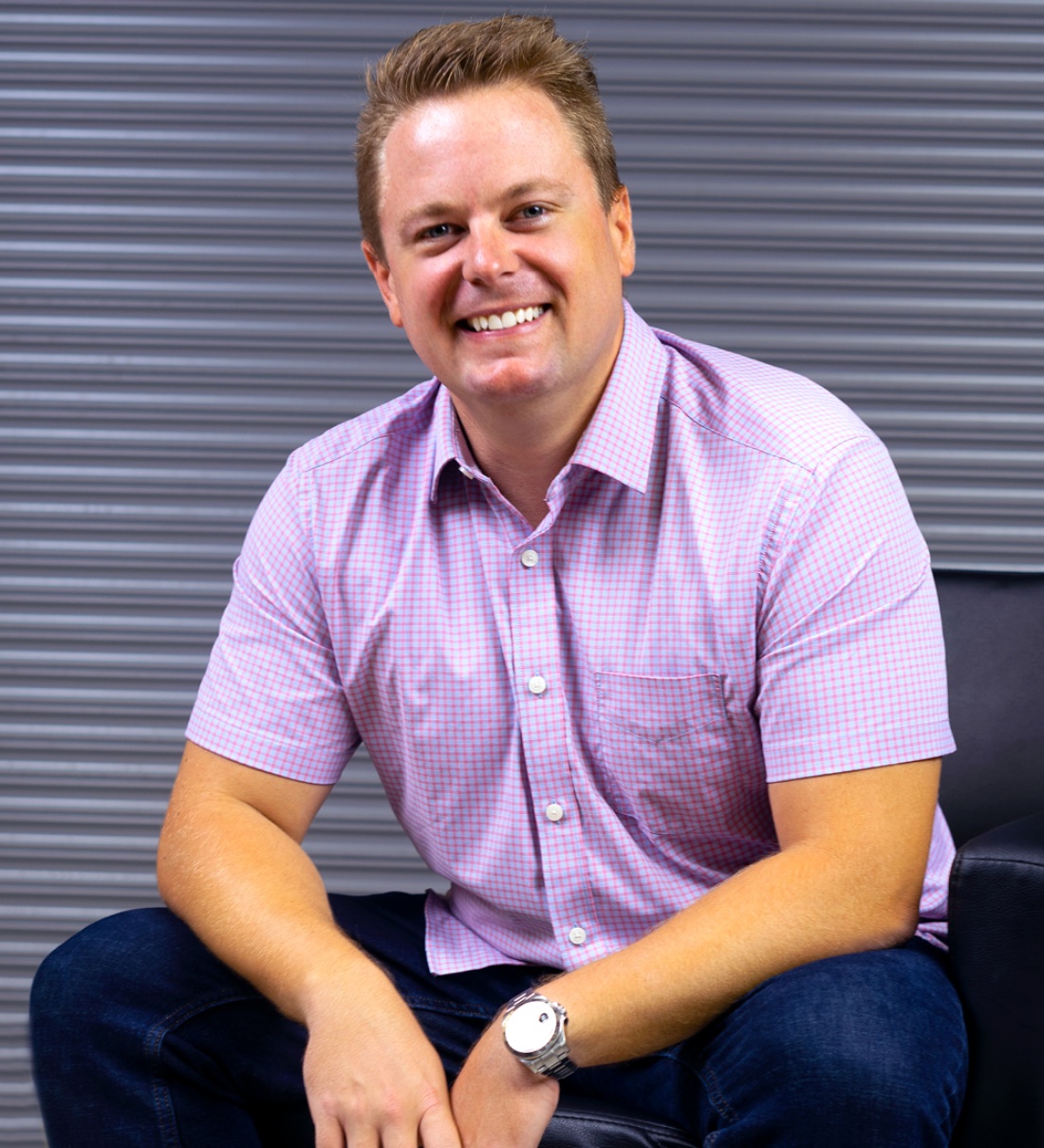
In 2011 Michael Browning Jr. wanted to open a trampoline park in Texas. He was 26, and on his account every bank and every investor he approached said no.
Investors told him he was too young and that the idea would not work. Landlords were no keener.
So he asked his parents. His father had a construction background and offered to help build the place; his parents also put money in.
The two of them built the first Urban Air Adventure Park by hand. They rented forklifts, laid the wood and unloaded the foam cubes themselves.
It opened on 28 October 2011. Browning says it was only the sixth trampoline park in the United States at the time, and that they did not really know what they were doing.
The operating rule was three lines long: keep guests safe, keep them happy, make money, in that order. He says the family worked every job in the building — register, attraction monitor, janitor, party host — before training staff to do them.
Franchising was not the plan. Browning says he had four family-owned locations around Dallas–Fort Worth when a guest kept ringing him and asking to buy the concept for his own town.
What he knew about franchising at that point came from The Founder, the film about McDonald's. He researched it, found mentors and sold the first franchise on 16 December 2014 to the Becker family in Wichita, Kansas. He says the Beckers are still franchisees, now with multiple locations, and have renewed for another ten years.
His first franchise marketing was not digital. He put signs above the urinals and on the backs of toilet stall doors reading: "Want to be your own boss? Own an Urban Air franchise." He reckons a large share of the first 50 franchisees came from people who admitted, sheepishly, that was where they saw it.
Covid shut every location. Browning says he used the closure to look at what he had actually built — a machine for selling, designing, marketing, opening and running franchises, plus a database of families.
The conclusion was a second company. He founded Unleashed Brands in 2021 to buy children's activity brands and put them on shared systems: one point-of-sale, one tech stack, shared marketing. He says the idea came from sitting on the sofa with his wife, both Googling things to do with their children, and finding it fragmented.
The first two acquisitions were The Little Gym, which he cold-called after getting the owner's number from a local franchisee, and Snapology, the STEM camp business his daughter had attended. Both closed in 2021.
Unleashed Brands now runs seven brands across three pillars — learn, play and grow. On the company's own figures it has more than 1,600 locations in the US, serves more than 25 million children, opened 133 new franchise locations in 2025 and has more than 200 in development. It reports revenue of just over $1bn last year, and Browning predicts the same again in 2026.
His advice to founders is unromantic. Every overnight success, he says, takes about fifteen years, and being your own boss means missed holidays, late nights and being on call.
The transferable part is not the trampolines. It is that the capital came from the only people who would back him, the labour came from him, and the growth channel came from a sign on a toilet door — because he could not afford the alternatives.