The blacksmith who told customers not to buy his jacket
Yvon Chouinard bought a second-hand forge at nineteen, built America's largest climbing hardware supplier, then set about dismantling its bestseller. In 2022 he gave the company away.
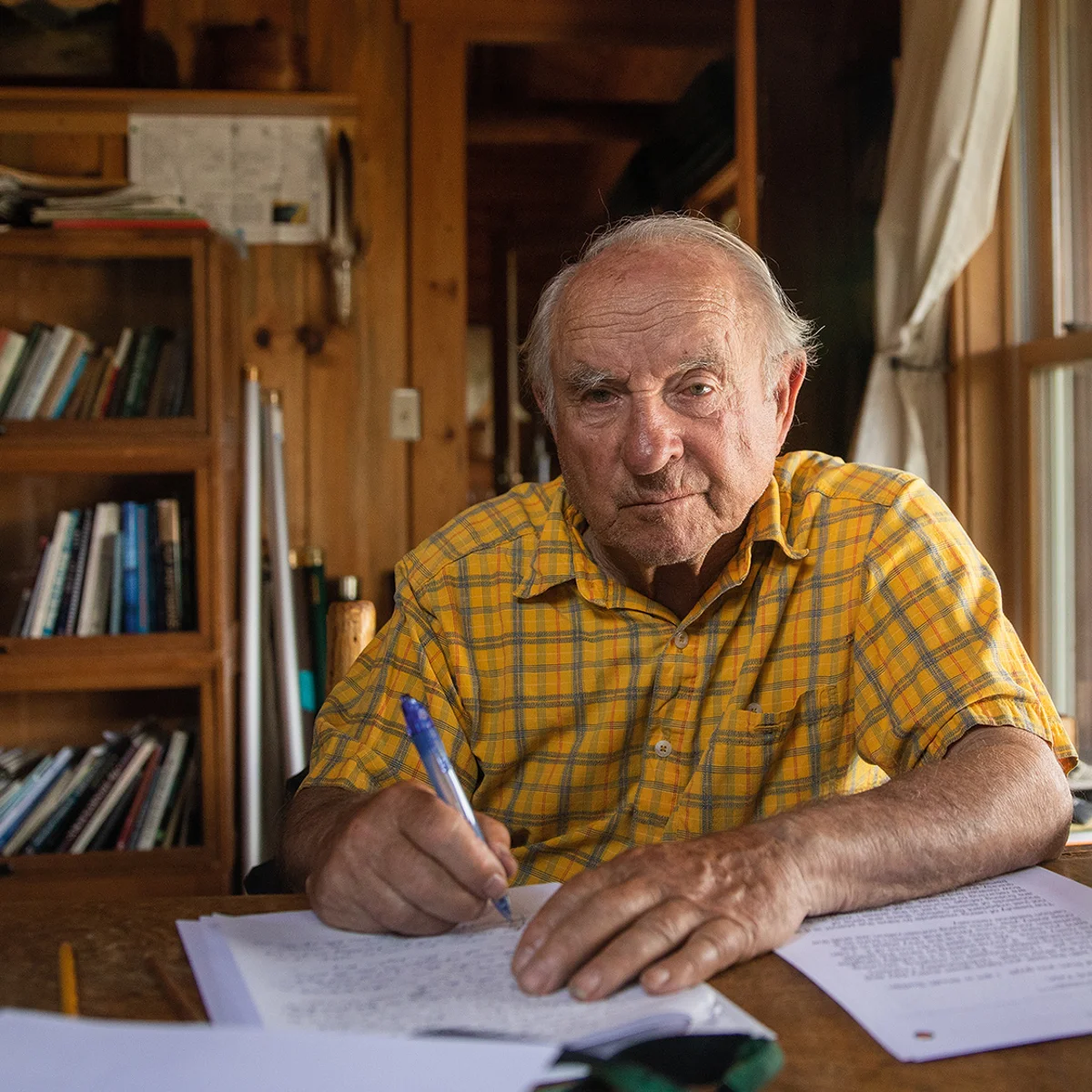
Yvon Chouinard was born in Maine in 1938 and moved to southern California as a child. He did badly at school and started rock climbing as a teenager through a local falconry club.
Climbing equipment cost money his family did not have, so he made his own. At nineteen he bought a second-hand coal forge for a few dollars and taught himself blacksmithing.
Other climbers wanted his pitons. That was the whole of the business plan.
His routine for years was weeks sleeping in the back of a car, living on canned beans, climbing daily, and returning to the forge when the money ran out. He later described himself as a dirtbag: a climber who owned almost nothing but freedom.
The customers were fellow climbers, and the product failed in places where failure kills people. Marketing could not paper over bad engineering.
By the late 1960s Chouinard Equipment was the largest supplier of climbing hardware in America. It was also, Chouinard concluded, wrecking the cliffs he climbed.
Steel pitons were hammered into cracks and ripped back out, thousands of times over. The more hardware he sold, the faster the rock degraded.
He stopped promoting his best-selling product and pushed climbers towards aluminium chocks that slotted into cracks without damaging the rock.
Sales suffered. Customers resisted, retailers complained, and competitors carried on selling pitons.
The clothing business was equally unplanned. On climbing trips to Scotland he noticed rugby shirts had sturdy collars that protected the neck from climbing slings, so he imported a few. Shorts, jackets and fleeces followed, each one answering a complaint from a climber.
In 2011 the company bought a full newspaper page carrying a photograph of one of its jackets under the line "Don't Buy This Jacket". The copy set out the environmental cost of making even responsibly produced clothing and told readers to buy only what they needed, repair what they owned and reuse before replacing.
Sales grew anyway.
In 2022 Chouinard neither sold the company nor left it to his children. He transferred ownership so that future profits would go towards fighting climate change and protecting nature.
The family could have been among the richest in America. The question they asked instead, according to the account of it, was what counts as enough.
For a founder, the useful part is not the ownership structure. It is that every decision that looks admirable in hindsight — killing the bestseller, telling customers to buy less, encouraging repairs — looked commercially stupid on the day it was made.
Patagonia was not built on market research or venture capital. It was built by someone solving his own problem, then being willing to lose revenue when the solution turned out to have a cost he could not live with.
If your growth depends on something you would rather your customers did not examine closely, that is the decision worth making early, while it is still cheap.
More: Patagonia