UK government backs Shetland spaceport with £30m for two launchpads
The grant is conditional on due diligence, and SaxaVord says it triggers a matching £30m from private investors. No rocket has yet reached orbit from Unst.
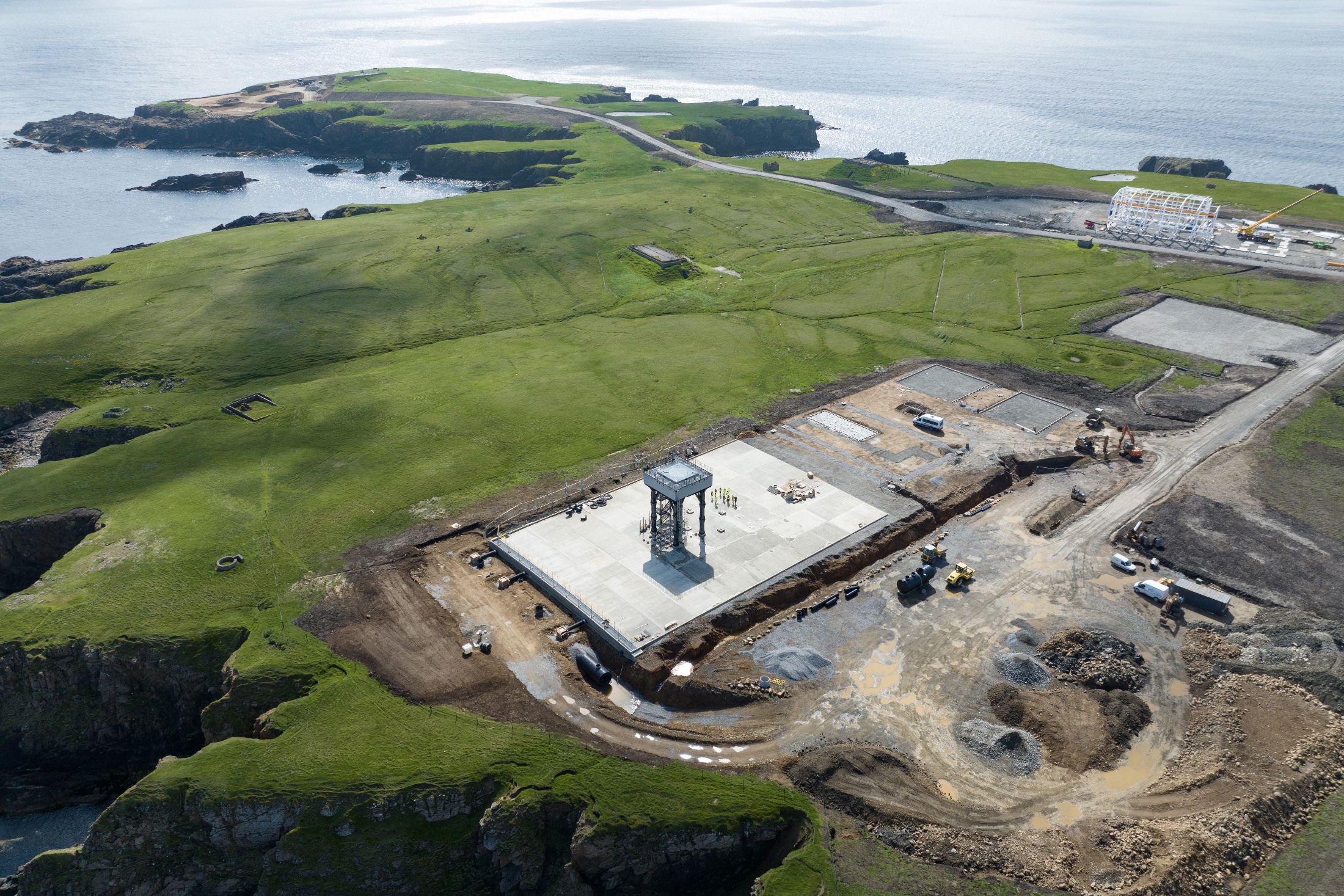
The UK government has put £30m into SaxaVord Spaceport on Unst, the northernmost point in the UK, as part of a new national space strategy announced on 8 September 2026.
SaxaVord says the money unlocks a further £30m of private investment. The company says the resulting £60m package will pay to design and build a second hangar and two more launchpads.
The investment is subject to due diligence and final sign-off. That is the sentence founders should read twice: the announcement is a commitment, not a transfer.
SaxaVord is the UK's first fully-licensed spaceport. It holds regulatory approval for up to 30 rocket launches a year, from a site on a former RAF base.
The Shetland money is part of a £148m UK investment across Europe. Ministers said the strategy would drive growth and strengthen security, and that they wanted Britain and its partners to launch satellites without relying on countries further afield.
Scottish Secretary Douglas Alexander said Scotland already builds more satellites than anywhere else in Europe, and that with the £30m boost SaxaVord is "poised to deliver up to three-quarters of the continent's orbital launch slots". That is a projection from a minister on the day of the announcement, not a measured share.
Two German companies have signed launch agreements. Rocket Factory Augsburg is working towards the first vertical orbital test flight from UK soil.
In August, SaxaVord paused plans for a test launch after Rocket Factory Augsburg said it had encountered an issue. A five-week launch window had been due to begin, with temporary traffic restrictions prepared in case of a flight attempt.
HyImpulse Technologies plans the second flight of its SR75 suborbital vehicle from Shetland this year. The firm recently raised more than €50m, about £43m.
Derek Harris, head of programmes at Space Scotland, told BBC Radio Scotland Breakfast that he was not worried about the schedule and called the £30m a "good starter". He said a slip into next year would not be a failure, and that weather could affect the process.
Heartland holds a majority stake in the spaceport through its investment arm, Wild Ventures. Its chief executive, Lise Kaae, said the company was pleased to welcome the UK government as an investor and partner.
SaxaVord says it is in discussions with other companies. It has not named them.
For founders in hardware, energy or anything with a site and a planning file, the shape of this deal is the point. Public money arrived after the licence, after two signed customers and after a matching private commitment — and it still carries a due-diligence condition.
The other lesson is tolerance for slippage. A launch was stood down in August, a five-week window went unused, and the state invested anyway. Infrastructure funders appear to be pricing delay in; they are less forgiving about the absence of customers and a licence.