Vivien Wong quit an £80,000 job to sell mochi to cinemas
Little Moons went viral on TikTok during the pandemic. Its co-founder says the company had already been running for a decade, and spent five of those years nowhere near a supermarket shelf.
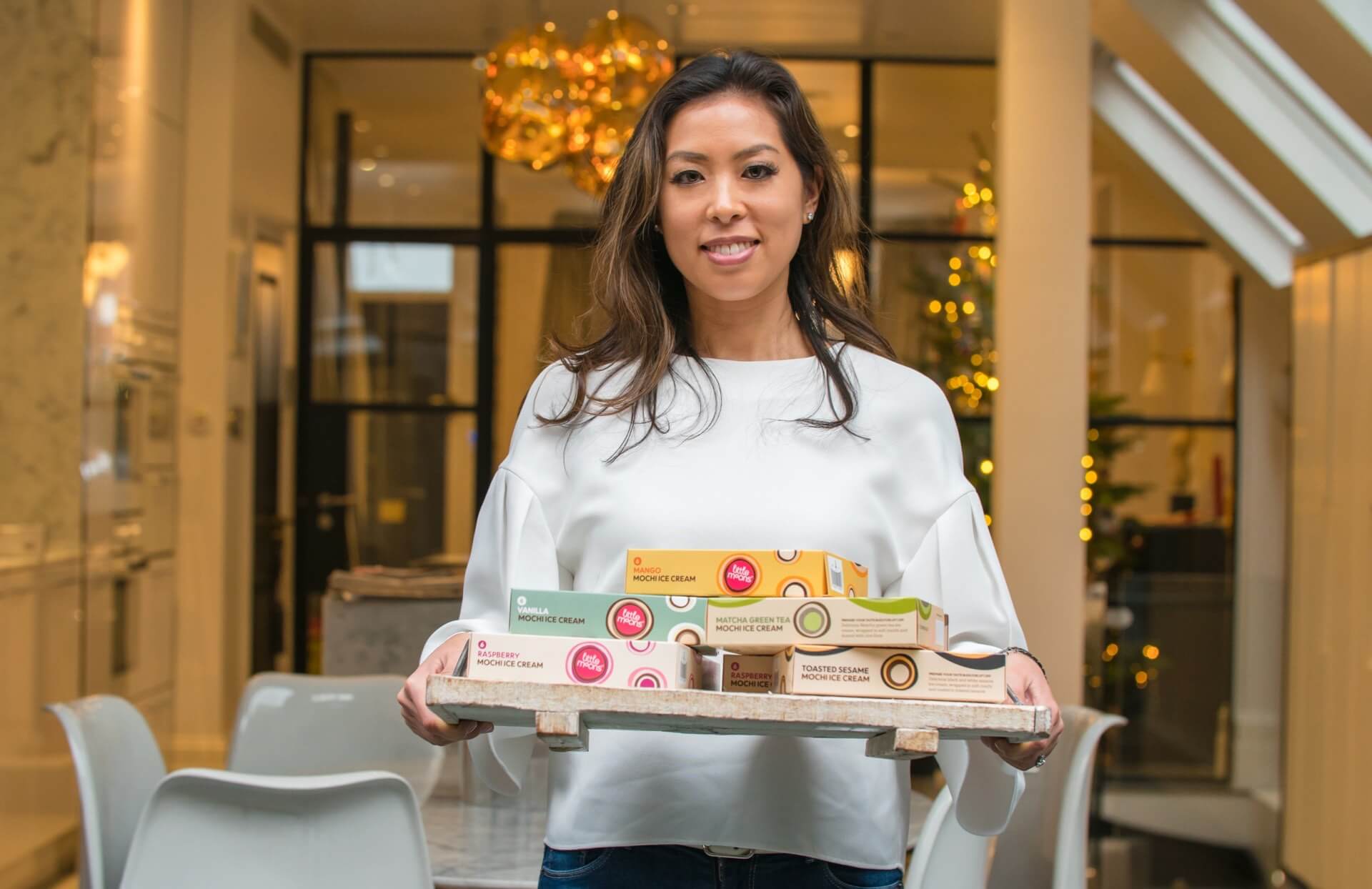
Vivien Wong was 28 and earning £80,000 a year in accounting when she left to make ice cream with her brother Howard.
She grew up in her family's bakery and had wanted to run a business of her own. She told the BBC that her father's cancer diagnosis was what made her act.
The product was mochi: balls of doughy rice wrapped around ice cream. The brand was Little Moons.
It did not start in supermarkets. For its first five years the company sold to restaurants and cinemas, and only moved into retail once Wong had saved enough to put money into branding.
Her argument against waiting is an 80-20 rule. Get the product 80% of the way there, launch it, and improve it in the market rather than in the workshop.
"Don't wait for perfection because that extra 20 is going to take you too long and you might miss the market," she says.
The cost of the leap was concrete. She moved in with her brother so the pair could save money and put profits back into the business, and she did the company accounts on Sundays rather than pay a bookkeeper.
She also became, by her own description, head of IT, despite not being good at IT. Machinery, product development, ice cream making and payroll all landed on the same two people.
The biggest single decision she describes is a factory move: from 5,000 sq ft to 30,000 sq ft, with annual rent going from around £40,000 to about £500,000.
Wong says she was the one willing to take that risk and her brother was the cautious one. She frames the disagreement as the point, not the problem.
Working with a sibling produced what she calls a lot of arguments. Her fix was to treat Howard as a colleague inside the business and a brother outside it.
She is also sceptical of expert advice taken at face value. Advice tends to be right for the business the adviser ran, she says, not the one in front of you.
Then came TikTok. Little Moons became a pandemic phenomenon, and Wong's line on it is that the company was twelve years old by the time anyone noticed.
Before the viral moment the business had already learned to manufacture at scale, train staff, export and supply large retailers. Her point is that the infrastructure was what allowed the company to survive the spike in demand rather than choke on it.
"Business is a combination of many, many, many boring things and many boring small steps," she says.
Little Moons now has a chief executive and a wider leadership team, and the siblings are less involved day to day.
For a founder reading this, the useful part is the sequencing. Five years of unglamorous trade channels funded the branding; the branding funded the supermarket listing; the manufacturing capacity built over a decade is what turned a viral week into a business.