App rates how loud and bright a place will be before you arrive
Lena Alabbasi was diagnosed with autism at 27. Her company, Daivurjnt, is building SpectrumScan to tell people what a shop, restaurant or airport will feel like before they walk in.
Maps tell you where a place is. Reviews tell you whether strangers liked it. Neither tells you how loud the music will be.
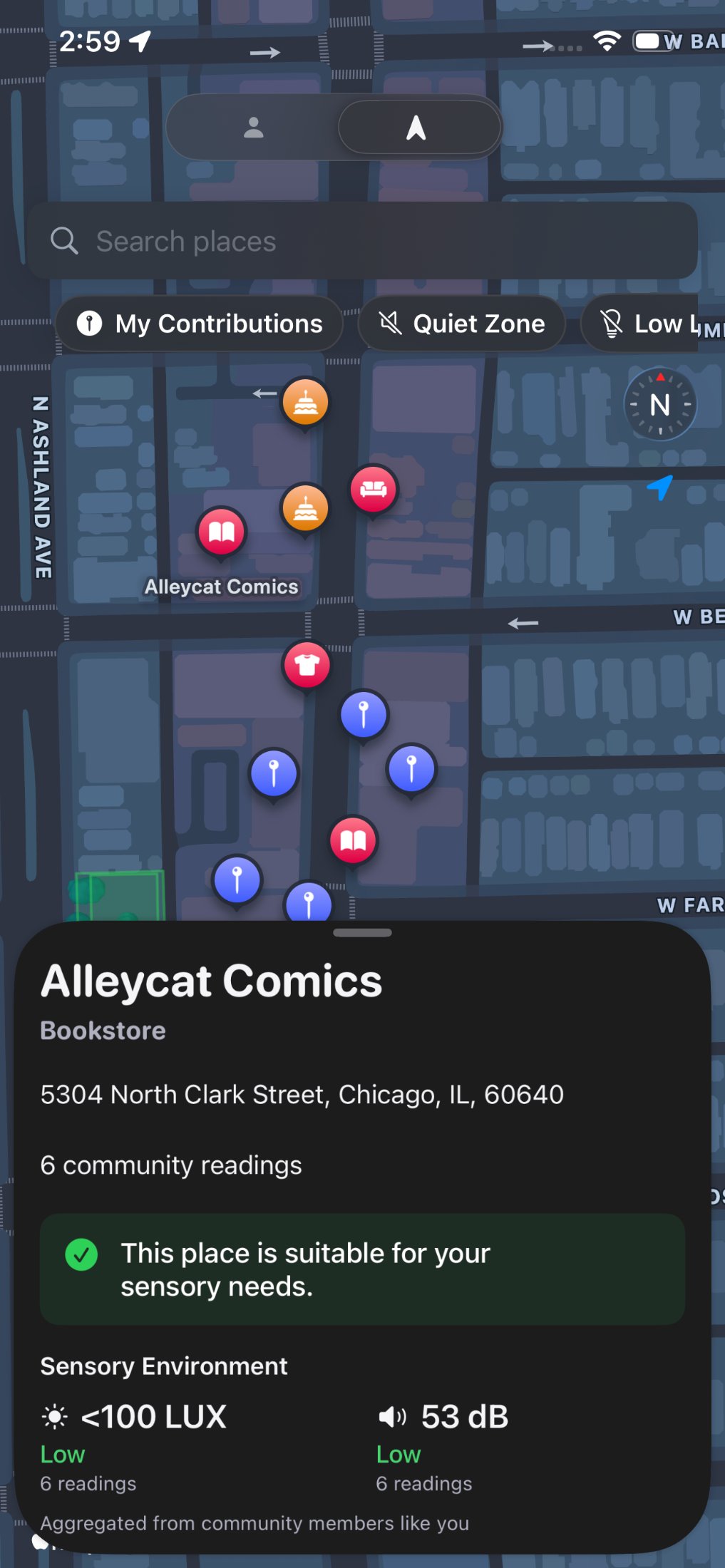
SpectrumScan is an attempt to answer that question. The app is designed to describe how sensory-intense a location is likely to be — noise, lighting, backlit signage, crowds, announcements — so that someone can decide whether to go at all.
It is built by Daivurjnt Inc., founded by Lena Alabbasi. She says she spent most of her life unable to explain why ordinary places left her with migraines, anxiety, irritability and panic attacks.
She was diagnosed with autism at 27. On her account, the diagnosis finally explained her sensitivity to light and sound.
The market she is describing is not small. Research cited by the company puts the figure at one in five people experiencing sensory processing differences that affect how they experience everyday environments, a group that includes people with autism, ADHD, PTSD, migraines and anxiety.
Those differences are rarely disclosed by venues. A restaurant publishes its menu and its opening hours; it does not publish its decibel level.
The company says the app learns from use. As someone records which environments feel comfortable and which do not, SpectrumScan is meant to personalise its guidance accordingly.
The ambition, in Alabbasi's framing, is predictability rather than avoidance. The point is knowing what to expect before arriving, not staying home.
How the sensory data is gathered has not been described — whether by users, by sensors, by venue partnerships or by some combination. That detail matters, because the usefulness of the app rests entirely on whether the readings are accurate and current.
Pricing has not been announced. Daivurjnt has not released user numbers, coverage figures or the number of locations rated.
For founders in accessibility software, the pattern here is a familiar one: a product built by someone who needed it, aimed at a population that existing mapping tools do not serve. The commercial test will be whether venues cooperate once their lighting and noise levels become a published number.
More: Daivurjnt · Lena Alabbasi on LinkedIn