One for One: the four words TOMS was built on
Blake Mycoskie saw barefoot children in rural Argentina in 2006 and decided the giving should sit inside the business model rather than the annual report. The idea outlasted him, and it did not survive unchanged.
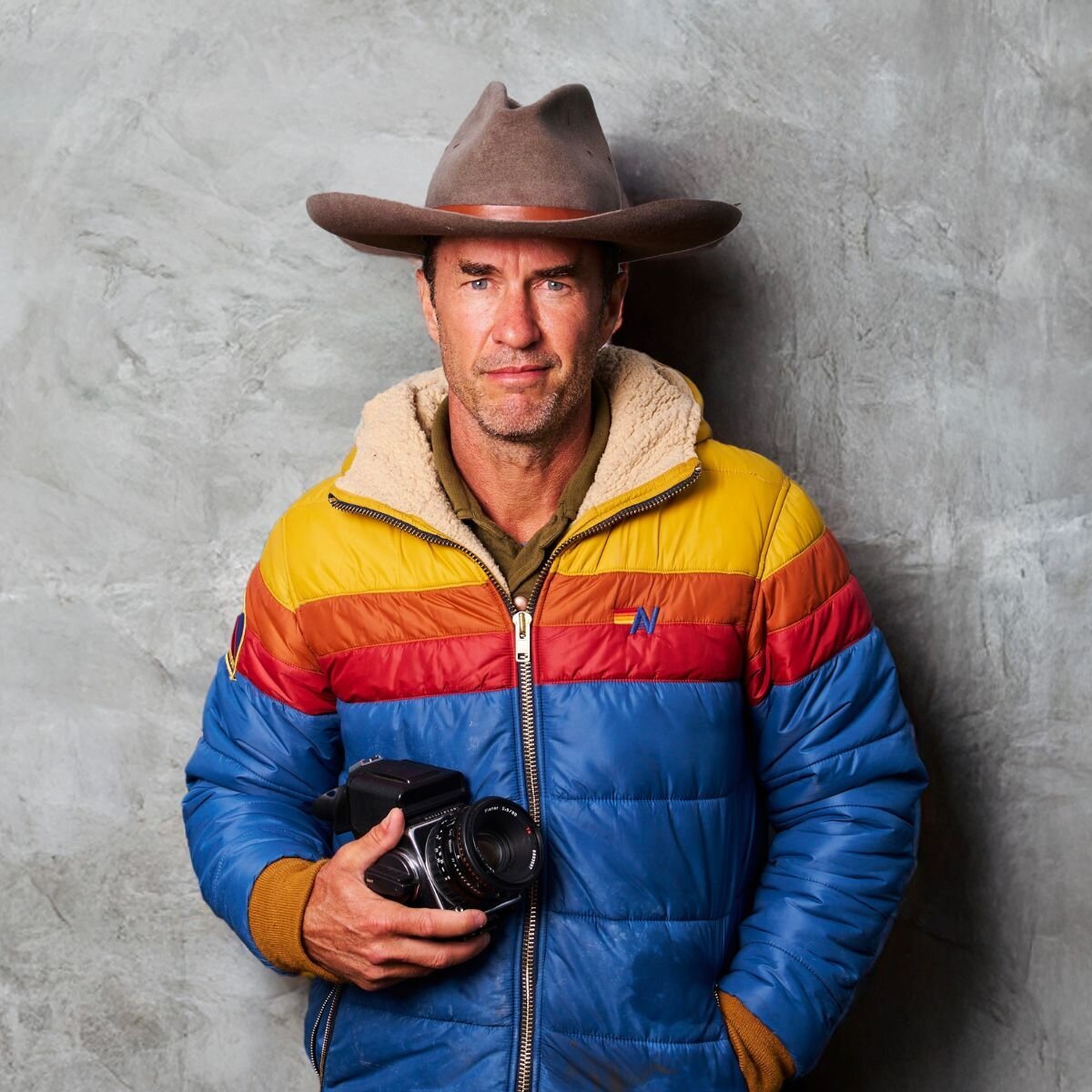
Mycoskie was not shopping for a new company in 2006. He had built businesses before and knew how to sell.
Then he travelled through rural Argentina and saw village after village where children had no shoes.
It was not a preference. Families could not afford them.
The consequences were medical and educational. Without shoes, children were more exposed to cuts, infections and parasites, and in some communities the lack of shoes affected whether they could attend school.
Charities had worked on problems like this for decades. Mycoskie's question was whether the help had to depend on fundraising at all.
His answer was to make each sale pay for the giving. For every pair bought, a pair would be given to a child in need.
One for One. Four words, and a whole company built around them.
The product itself was modest: a lightweight canvas shoe based on the traditional Argentine alpargata.
The mission did the selling. Celebrities wore TOMS, fashion magazines covered it, university campuses adopted it, and the company went on to ship millions of pairs.
The logistics were the hard part. Giving away a second product on every sale meant finding manufacturers, working with charities and delivering shoes to remote communities, all while the volume grew.
Then came the harder questions. Did free shoes undercut local shoemakers? Did they create dependency? Was footwear what those communities most needed?
Mycoskie listened rather than arguing. TOMS expanded into sight-saving surgery, clean water, mental health and community-led programmes, and eventually dropped One for One in favour of directing a share of profits to organisations working on those problems.
He later stepped away, on the view that companies need different leaders at different stages. TOMS trades today under new ownership.
The model outlived his tenure. Warby Parker, Bombas and a long list of social enterprises followed the path TOMS cut.
There is a cost to this kind of company that founders underestimate. Customers expect consistency, employees expect authenticity, critics expect perfection, and every compromise is read as a verdict on the mission.
The usable lesson is narrower than the legend. Purpose is a business decision, made at the level of the model rather than the marketing budget, and it commits you to revising the idea in public when the criticism turns out to be right.
More: TOMS · BLAKE MYCOSKIE