ClearJet raises $25m selling spare belly space on passenger jets
The Austin company owns no planes. It books unused cargo capacity on flights already flying, and Edison Partners has just led a $25m Series B on the strength of it.
ClearJet has raised a $25 million Series B led by Edison Partners, taking its total funding to $40 million since it was founded in 2022.
Returning investors Venture53, Origin Ventures, SaltVC and SpringTime Ventures also took part. Earlier backers include Sky VC, formerly JetBlue Ventures, and Tandem Ventures.
The company raised a seed round in early 2023 and a $13.4 million Series A in 2024, according to founder and chief executive Chris Guggenheim. He declined to give a valuation, describing the Series B only as a significant step up on the previous round.
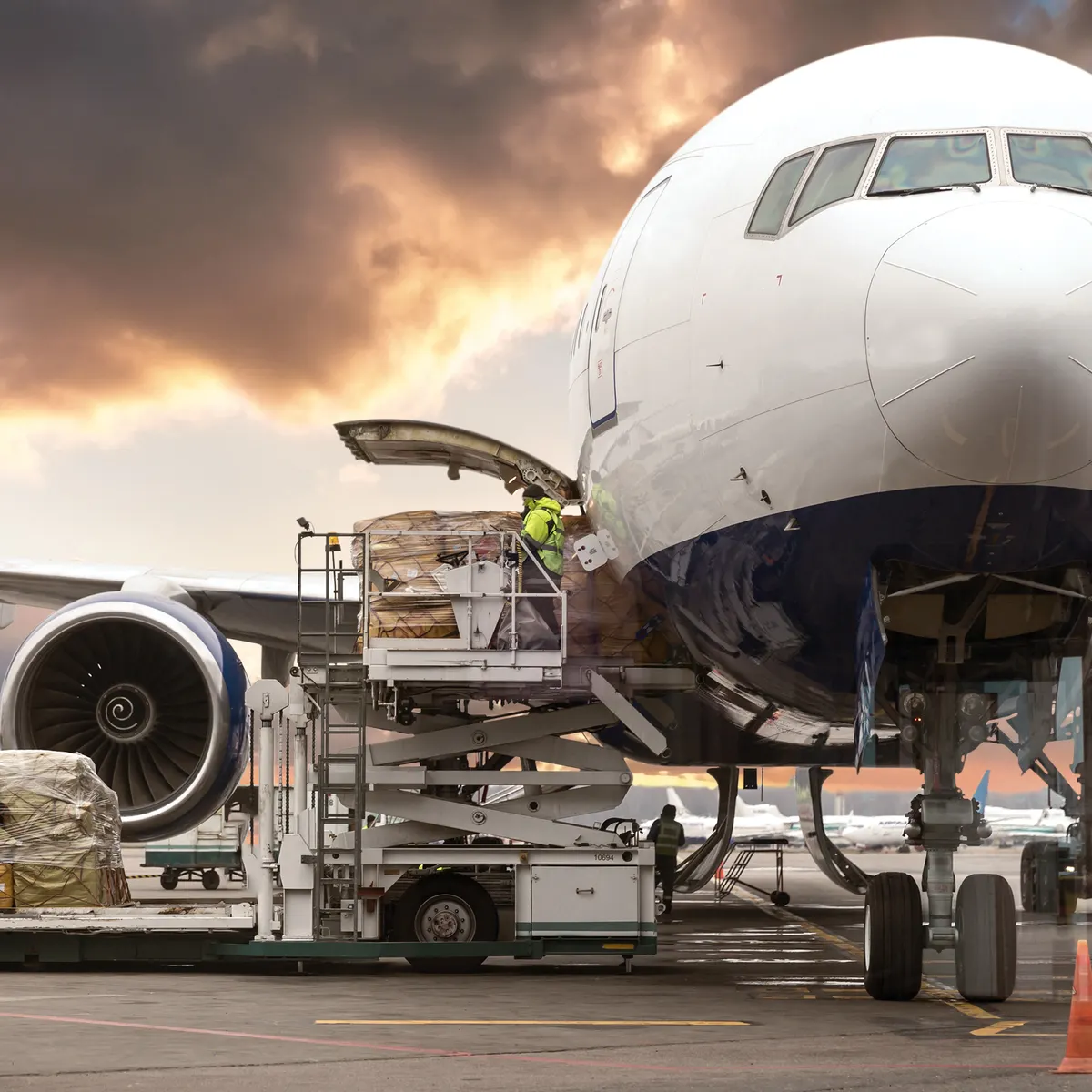
The model is simple to state. ClearJet books e-commerce parcels into the unused cargo holds of commercial passenger flights already travelling between American cities, rather than running its own aircraft or trucks.
Retailers connect by API and print a two-day label. ClearJet collects the packages, sorts and screens them, loads them onto scheduled flights and hands them at the other end to final-mile carriers, which Guggenheim says include FedEx, the US Postal Service, DoorDash, Uber, OnTrac and Veho.
The network now covers 95 US airports and ClearJet has relationships with United, Delta, Southwest, American and JetBlue. It formally launched in May 2023.
One physical problem shaped the product. Most US passenger aircraft are narrow-bodied and their cargo doors are too small for the pallets freight forwarders use, so ClearJet designed its own overpack bags that move through airports much like passenger luggage.
The company says its approach can cut shipping costs by up to 35% and take one to three days off delivery. On Guggenheim's account, ClearJet is profitable, revenue has more than tripled year on year, and top-line revenue is approaching nine figures.
It moves more than 30 million packages a year, the company says, against roughly 1.8 billion US parcels it considers eligible to fly.
Guggenheim describes one early large retail customer that had used FedEx for goods arriving from Asia, taking seven days from factory to customer. Under ClearJet, cargo lands at Los Angeles International, is sorted and flown into 14 airports, and delivery time fell to five days with $35 million in cost savings, he says.
Ryan Ziegler, who leads Edison Partners' vertical SaaS and AI practice, said the firm had spent years looking for ways to use spare supply chain capacity without heavy capital spending. He argues ClearJet's airline relationships, regional sorting sites, regulatory licence and software are hard to copy.
Guggenheim's own history explains the idea. He says that in 2019, after spending $55 million with UPS, he was given five days' notice that his account was being cancelled for being insufficiently profitable. He then cold-emailed airline executives until he reached the president of United Cargo, and got about five minutes to pitch at an industry event.
ClearJet has just under 50 full-time staff and hundreds of contractors working seven days a week. Next come returns, international shipping, more airports and AI agents to handle rating, booking, tracking and rerouting around bad weather.
Global funding to supply chain and logistics startups has reached $8.4 billion so far in 2026, according to Crunchbase data, against $9 billion for the whole of 2025. The lesson founders are being sold here is the one Ziegler states plainly: in the middle mile, the companies that bought the assets are the ones that went bust.