Hero Bread walked away from Subway, then rebuilt to $54m
The low-carb baker landed an anchor customer in 2021 and was running out of money by 2022. Its chief executive says the maths never worked, so they quit the deal and started again selling direct.
Cole Glass founded Hero Bread in 2019 after severe pollen-related food allergies narrowed what he could eat. The company makes low-carb, zero-sugar bread.
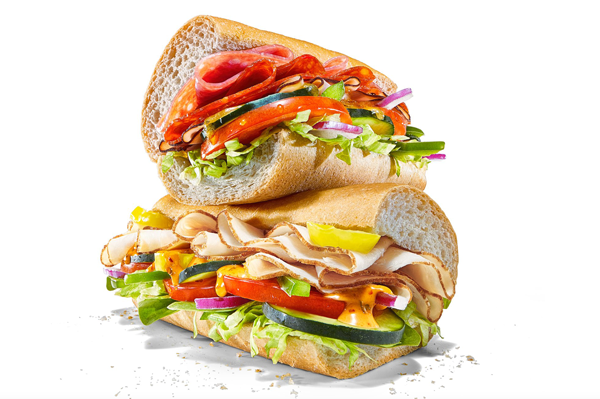
In October 2021 it struck a partnership with Subway. The logic was volume: put the product in as many hands as possible and let people taste it.
By 2022 the logic had collapsed. YuChiang Cheng, who invested in the company on behalf of 444 Capital and joined as interim chief marketing officer, says the unit economics did not work and the deal was unprofitable. Hero Bread was running out of money.
Cheng told Entrepreneur the company was too small to service the account and lacked the infrastructure to deliver on it. So it backed out.
That is the part founders tend to skip. An anchor customer that large sets the price, the volume and the timetable, and a supplier that cannot meet them at a profit is not growing, it is paying to work.
What replaced it was direct-to-consumer selling, which Cheng says returned customer feedback faster and drove word of mouth. The range was cut to five products: white bread, seeded bread, burger buns, hot dog buns and flour tortillas — weekly staples bought on repeat.
Cheng became chief executive in November 2023. In a round announced in June 2024, the company raised $21 million in under 90 days, co-led by Cleveland Avenue, DNS Capital and Composite Ventures. Total funding passed $68.5 million.
Hero Bread reported $54 million in revenue last year. Its retail presence went from roughly 4,000 doors to about 10,000 in two years, including a Target launch.
Getting into shops involved the same refusal to guess. The team could not agree whether the product belonged in Publix and Target or in Whole Foods and Sprouts, so it launched in Market District, Publix and Sprouts and watched.
Six months later all three were working. Cheng says the company then chose retailers by how enthusiastic they were rather than picking a channel — the opposite of the usual approach of going deep in one channel and regional.
Direct sales now carry what shelves cannot. The Crafted Collection — croissants, lemon poppy seed scones, shortbread biscuits — is small-batch and sold only on the company's own site. Cheng puts it bluntly: hand-rolling 300,000 to 400,000 croissants would not make economic sense.
It also works as a test bench. Hero Bread put out a limited run of bagels online in December 2024, unsure anyone would want them; Cheng says they became one of the best-selling items, and they reached retail shelves within six months.
The useful lesson for anyone with one customer worth most of their revenue: the exit from a bad anchor deal is survivable, but only if there is a second route to the customer. Hero Bread's was a website, five products and three retailers it was willing to be wrong about.
More: Hero Bread's online shop