Three parents, £7,000 and 6,500 places: inside Kidora
A Flintshire mum built a children's resale marketplace after more than 50 failed Marketplace handovers. It now has two more parts, and still no outside money.
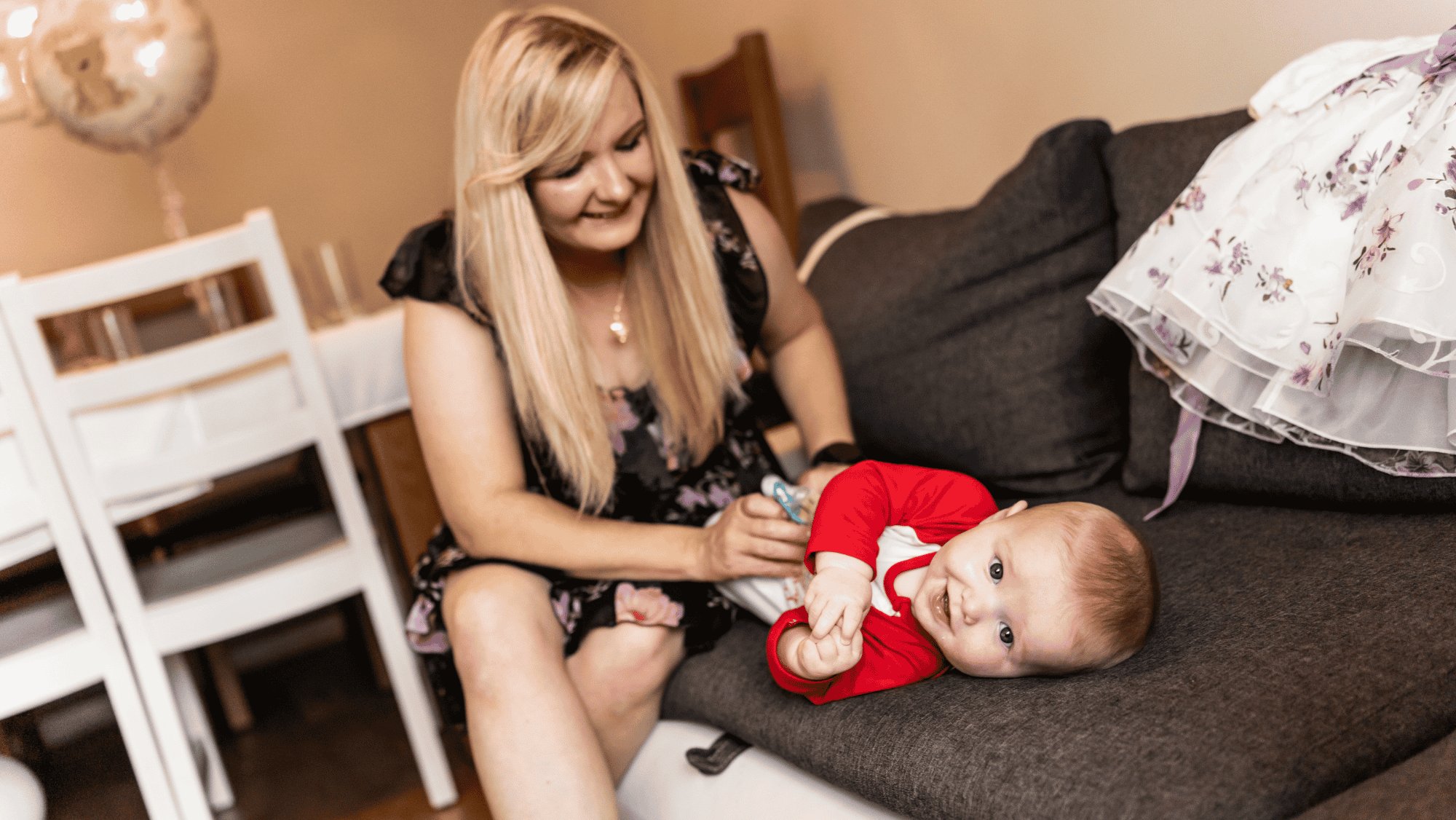
Karolina Gudes counted more than 50 arranged Facebook Marketplace collections that ended with a cancellation, a disappearance or nobody turning up. That is her account of why she started Kidora.
Gudes is a mother of two from Broughton in Flintshire. Her children kept outgrowing clothes, toys, shoes, books, prams and baby equipment that were still usable, and selling low-value items took longer than the items were worth.
Kidora launched its first version in May 2025 as a UK marketplace for baby and children's goods only.
Three people are behind it: Gudes, her partner Martin Kvasnica and their friend John Prydderch. Kvasnica and Prydderch are senior software QA engineers.
All three have kept full-time jobs. None takes a salary from Kidora, and the company says the founders have put around £7,000 of their own money in rather than raising investment.
The marketplace is deliberately narrow. It carries children's clothing, toys, books, prams, nursery equipment, shoes and other baby items, and nothing else.
Sellers pay no commission. Buyers can choose nationwide delivery or local collection, make offers, and bundle several items from one seller.
More than 1,000 items are now listed, according to the company's own figures.
The bigger change since launch is that Kidora is no longer only a marketplace. It now has three parts: the Marketplace, Parent Hub and Family Places.
Parent Hub collects UK-focused practical family information. Family Places lists more than 6,500 family-friendly locations across the UK, searchable by distance from a chosen point, covering parks, museums, soft play centres, farms, swimming pools, beaches, castles, cinemas and larger attractions.
The founders also decided to rebuild the original technology rather than keep adding features to it. That took more than a year and produced native iOS and Android apps and a new website.
Gudes says it was a hard call for a self-funded team, because the time and money went on replacing working software instead of chasing growth. Her argument is that the original build would have constrained the business later.
Her founder story was recently featured by The Sun on Sunday. The working pattern has not changed: jobs, children, evenings and weekends.
Kidora is competing beside Vinted, eBay and Facebook, all with far larger teams and budgets. The bet is depth in one category rather than breadth.
For founders weighing the same choice, the arithmetic here is stark. Three people and £7,000 bought a narrow marketplace, a directory of 6,500 places and a year spent rewriting code nobody outside the team asked them to rewrite — and the decision that cost the most was the one that produced no new customers at all.
More: Kidora · its Family Places directory