Three places to put a press logo where buyers actually pause
Coverage in the footer does nothing, argues a marketing adviser writing in Entrepreneur. His case is that the same logo works only when it sits beside a price, a form or a bold claim.
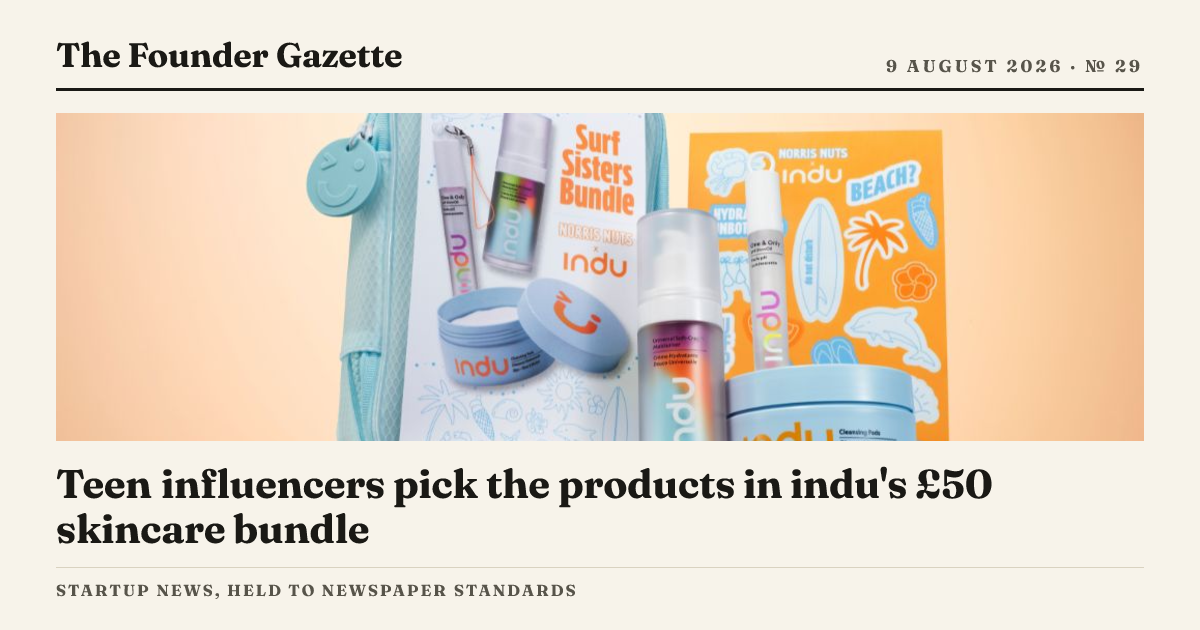
A client of Ali Raza's landed a feature in a publication they cared about, put the logo in a tidy row of "As Seen In" badges in the homepage footer, and told him months later that the coverage had not done anything.
Raza, writing in Entrepreneur, says the placement was the problem rather than the outlet. Nobody hesitates in a footer.
His argument is that a media mention is a trust signal, and a trust signal only works at the moment a buyer is deciding whether to believe you. Anywhere else it is decoration.
He goes further: position beats prestige. On his account he has watched a modest regional write-up out-convert a national name, because one sat next to a checkout button and the other sat where nobody scrolled.
The first hesitation point is the price. That is where a visitor runs the risk calculation, so a short "Featured in" line and two or three logos next to the numbers gives them a reason not to close the tab.
The second is any form that asks for commitment — a demo request, a checkout, a book-a-call button. One credible mention beside it, he writes, does the work of a warm introduction at the second the handshake is offered.
The third is your boldest claim. The sentence that sounds slightly too good, such as halved response times or doubled bookings, is where scepticism spikes. Anchoring it to coverage borrows the outlet's credibility to underwrite the promise.
What the three have in common is that they are decision points. Press pages, news tabs and footers are storage.
Raza sets out four rules for using a mention without abusing it. Link each logo to the actual article rather than to your own press page, because a self-referential link undermines the point.
Use restraint: three strong logos beat ten weak ones, and a wall of badges reads as insecurity. Pick the outlets your particular buyer respects, not the most famous.
Keep the wording plain — "Featured in" or "As seen in" is enough. And claim only coverage you earned, never implying an endorsement when a publication merely mentioned you.
He cites BrightLocal's most recent consumer review survey for the underlying behaviour, saying most people read several reviews and check more than one source before trusting a business. The article gives no percentages; the claim rests on his reading of the survey.
The practical appeal is that none of it costs anything. If you already have coverage, the work is a copy-and-paste job on three pages, done in an afternoon, and you can measure whether conversion on those pages moves.