Two brothers, a four-foot pile of broken coolers, and YETI
Roy and Ryan Seiders built a cooler they could stand on, charged hundreds of dollars for it, and refused to make it cheaper. Twelve years later it priced at $18 a share on the New York Stock Exchange.
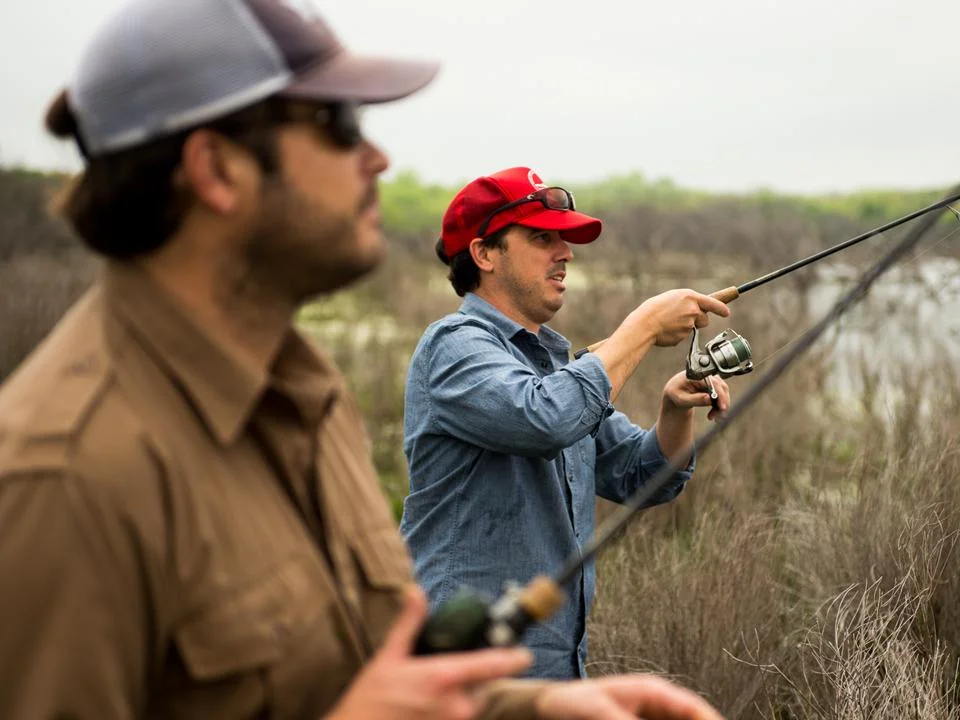
Ryan Seiders wanted a cooler he could stand on while casting. He could not buy one.
He and his brother Roy grew up hunting and fishing in Texas, and kept doing both as adults. Ryan ran a fishing-rod business; Roy built custom boats for the shallow coastal water.
The coolers they bought kept failing. Handles snapped, latches broke, lids bowed under a grown man's weight and the ice melted too quickly.
So they bought replacements, destroyed those too, and repeated the exercise. Their father, Roger, recalls the broken ones piling up roughly four feet deep, according to YETI's own account of the story.
Ryan's interim fix was a wooden plank bolted across the top of an old cooler, so he could stand on it. It was not pretty and it worked.
The brothers had been rehearsing for this without noticing. Roger Seiders was a teacher who thought fishing-rod coatings were not good enough, developed better ones, and turned the side project into Flex Coat, a supplier to rod builders.
When it took off he quit teaching. His sons spent their childhoods at fishing trade shows watching a man sell something he had made with his hands.
Roy and Ryan founded YETI in Austin in 2006. Rather than make a conventional ice chest slightly better, they used rotomoulding, the process behind whitewater kayaks, and produced something thick, heavy, heavily insulated and hard to break.
It was also expensive. Buyers were used to spending tens of dollars on a cooler; the brothers wanted hundreds.
Their answer was not to cut the cost. It was to narrow the audience.
They sold first to serious anglers, hunters, guides and outfitters — people already spending real money on rods, reels and boats, for whom a cooler was equipment rather than a picnic accessory. Professional anglers took it up, and YETI says the product spread from there into fly-fishing, rafting and backcountry circles.
The marketing followed the same logic. Ryan had known the fishing industry since childhood through his father's business, including the angler Flip Pallot, whom he had first met as a teenager.
Years later Ryan called him, and Pallot appeared in early YETI advertising. The company credits that relationship with lending it credibility it could not have bought outright.
Then people who had never guided a fishing trip started buying the coolers, and YETI added soft coolers, bags and drinkware on the same terms: over-engineer the ordinary object, charge accordingly, do not apologise.
In 2012 the private-equity firm Cortec became the principal shareholder, with the brothers retaining equity, according to SEC filings. In October 2018 YETI listed on the New York Stock Exchange, priced at $18 a share.
The transferable part is not the rotomoulding. It is the decision the brothers made when the numbers looked wrong.
Faced with a product costing several times more than the competition, the standard move is to thin it out and widen the market. They went the other way and found the buyers who already understood the difference between cheap kit and good kit.
The idea itself came from irritation, not analysis. Something they replaced constantly, that everyone else had accepted, that nobody had bothered to make properly.
More: YETI